Practical Guide to Irrigation System Design
How to design a residential irrigation system: survey, hydrozones, sprinklers, pipes and maintenance. Correct design reduces waste, dry spots and rework costs. This guide covers the essential steps: measuring available pressure, dividing into hydrozones, positioning sprinklers, estimating materials, and seasonal maintenance.
Step 1: Survey and Source Diagnostics
The basis of saving is knowing your resource. Incorrect flow calculation leads to massive waste.
Use precision tools. 'Available Flow' is not maximum flow: calculate at 80% to ensure stability. A 10-liter bucket filling in 12 seconds means 50 L/min. Never exceed this threshold or sprinkler efficiency will crash, turning water into mist that evaporates before touching the ground.
Go deeper: How to measure water pressure for irrigation, How to map irrigation zones in your garden
Step 2: Coverage Geometry (Head-to-Head)
The only way to avoid yellow spots without overwatering is perfect overlap.
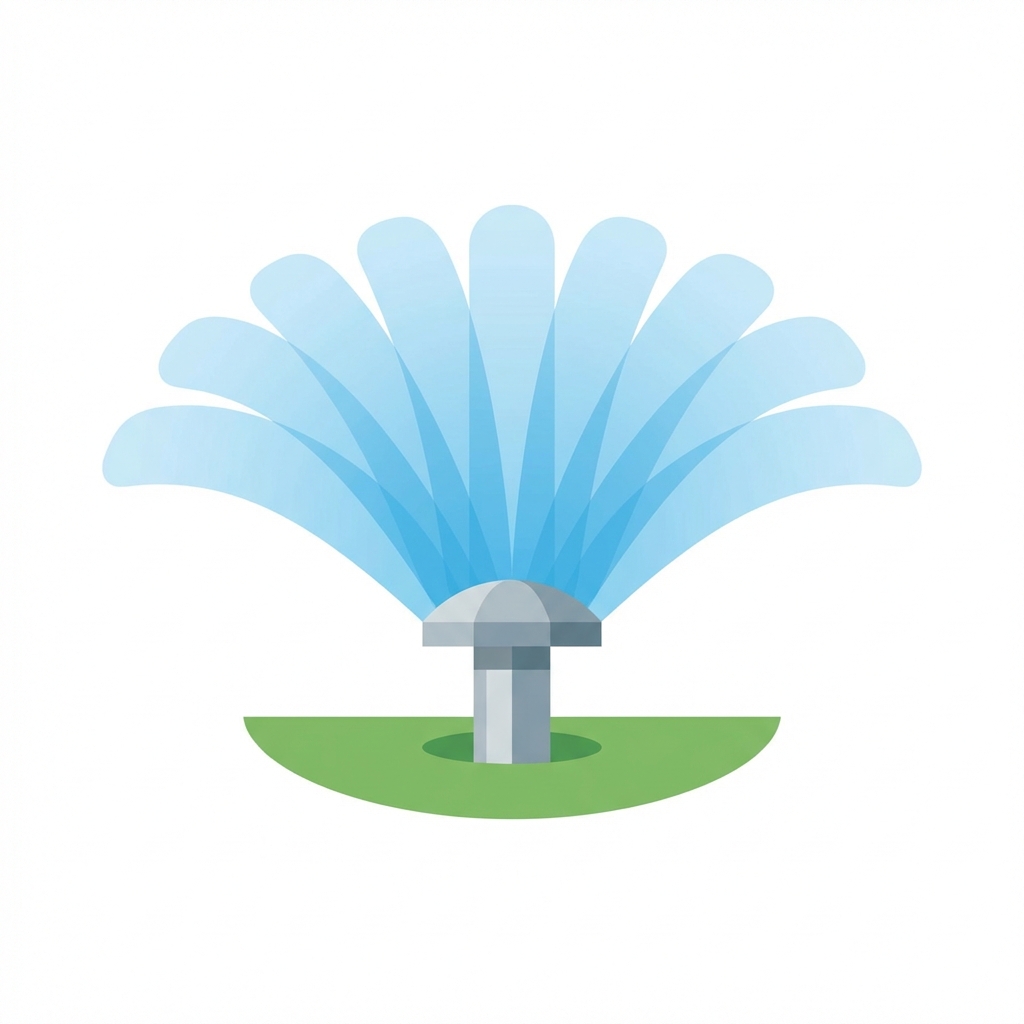
Uniform Precipitation (DU) is key. Use sprinklers with MPR (Matched Precipitation Rate) nozzles. Position sprinklers in corners to avoid watering walls and pavements. Water saving starts where surface waste ends: head-to-head overlap allows reducing total watering times by 30%.
Go deeper: Sprinkler Head Spacing: The One Decision That Decides Whether Your Lawn Goes Brown, How to choose sprinkler nozzles for uniform lawns
Step 3: Hydrozone Algorithm
Split zones not just by flow, but by microclimate: sun vs. shade.
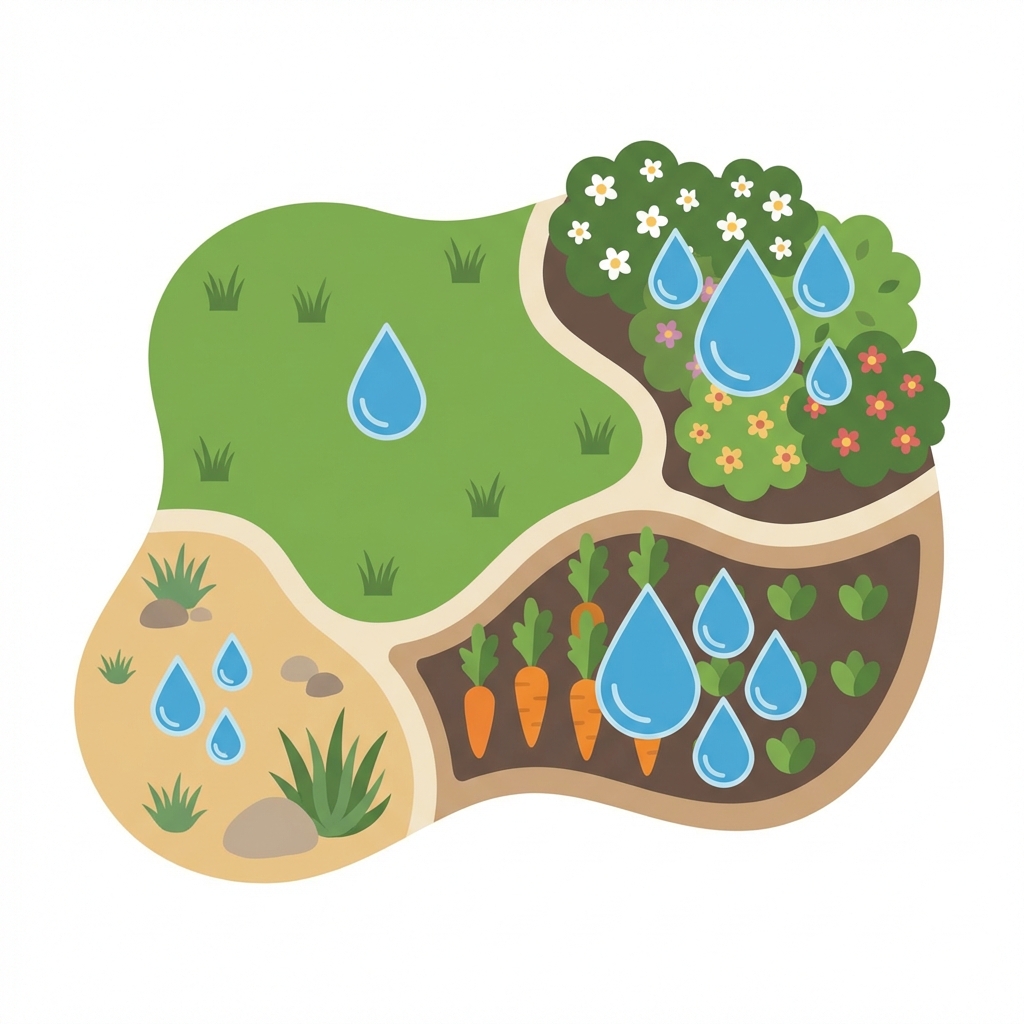
Create 'Hydrozones'. Don't mix lawn (high consumption) with shrubs (low consumption). Use separate valves. This allows you to supply only the water needed for each specific species. Remember: an overwatered plant dies as much as a dry one, but with a much higher environmental cost.
To see how SprinklerMap applies this in practice, read the Auto Sprinkler section of the app manual: it covers the closed-perimeter prerequisite, the automatic sprinkler calculation and manual adjustment.
Step 4: High-Efficiency Materials
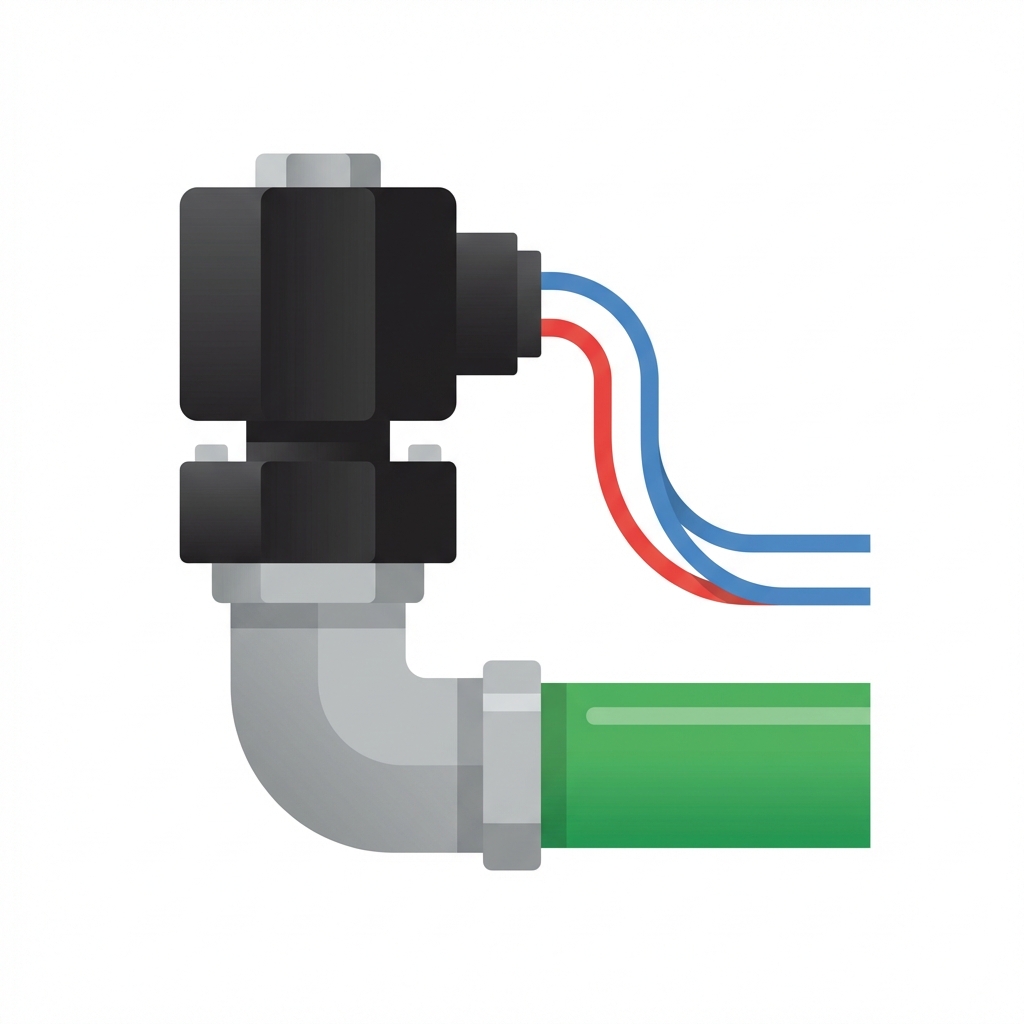
Choose valves and sprinklers with integrated pressure regulation.
Go deeper: Sprinkler valves explained: anti-siphon or inline, how they work, how to wire them, and how to fix the common faults, Pressure reducer for irrigation: when you need one and how to install it
Step 5: Fluid Dynamics and Friction
Size pipes to avoid pressure drops that pulverize water, wasting irrigation.
Friction is the enemy of saving. Pipes that are too small force the pump to work harder, consuming electricity, and reduce pressure making irrigation inefficient. Use PN16 PE pipes of adequate diameter (minimum 25mm for standard flows) to keep water velocity below 1.5 m/s, preventing water hammer and premature wear.
Go deeper: Sprinkler pipe and fittings: PVC vs poly, Schedule 40 vs Class 200, and what size you need, How to measure water pressure for irrigation
Step 6: Predictive Maintenance
An unmaintained system wastes thousands of gallons a year in invisible leaks.
Every spring, check nozzle filters for clogs from lime or debris. In fall, if you live in freezing climates, it's vital to drain the system using compressed air (blow-out) or auto-drain valves. Ice expanding inside pipes or heads can cause expensive cracks.
Go deeper: How to winterize a sprinkler system: drain or blow out, protect the backflow preventer, and restart in spring, New sprinkler system: the first-month tune-up, and the common problems with cause and fix
Step 7: Optimization and Smart Controllers
Automate your savings with weather metadata and soil sensors.
Automation is your ally. Integrate rain and soil moisture sensors. A 'Wifi-Smart' controller can save 40% of water simply by turning off the system when forecasts indicate imminent rain. Question: What is the best time? Between 4 and 7 AM, to minimize evaporation and avoid leaf fungi.
Go deeper: Smart sprinkler controllers: what WaterSense and Wi-Fi actually save, rebates, and when the upgrade pays, Irrigation automations: schedules, weather and sensors in practice